
The Cybervengers: End the Data loss
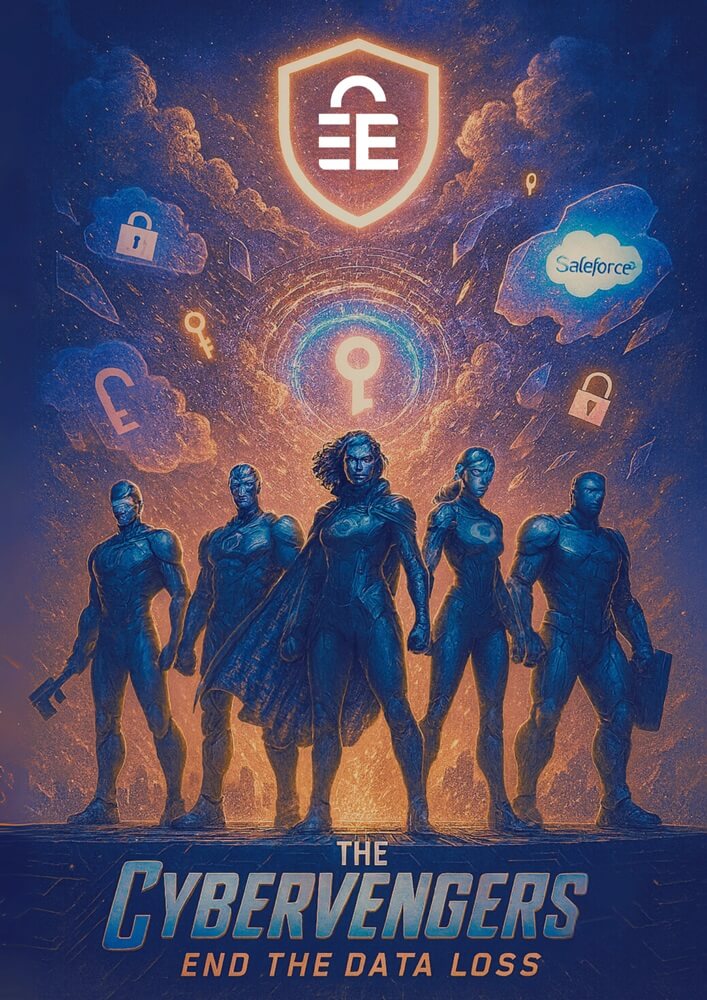
A post-quantum computer capable of breaking any encryption. And a trade secret that could plunge the world into chaos. But when all seems lost, the Cybervengers rise up. With the ultimate defense: eperi sEcure + QuantumEdge.
Post-Quantum Cryptography: Transition to Quantum Resilience Now
Post-Quantum Cryptography (PQC) refers to encryption algorithms resistant to attacks by quantum computers. eperi QuantumEdge supports enterprises in gradually migrating to PQC through real-time analysis of deployed cryptography, hybrid encryption, and centralized management via a Policy Engine. The goal is the secure and predictable implementation of quantum-secure encryption in compliance with NIST, BSI, and DORA.
The Guardians of the Gateway

What happens when an intergalactic ruler falls ill—and a mad digital freak does everything in his power to steal his data? Only the Guardians of the Gateway can save him. A science fiction story full of humor, action, and a powerful ally: eperi sEcure.
Achieving Data Sovereignty in the Cloud – with eperi® sEcure
Data sovereignty is the ability to ensure technical and legal control over your data, independent of storage or processing location. Digital sovereignty is the overarching state in which organizations operate IT infrastructure independently, lawfully, and securely – even in public cloud models. eperi® sEcure enables this through client-side encryption, key ownership, and full application compatibility.
Doctor Lock: Multiverse of Security
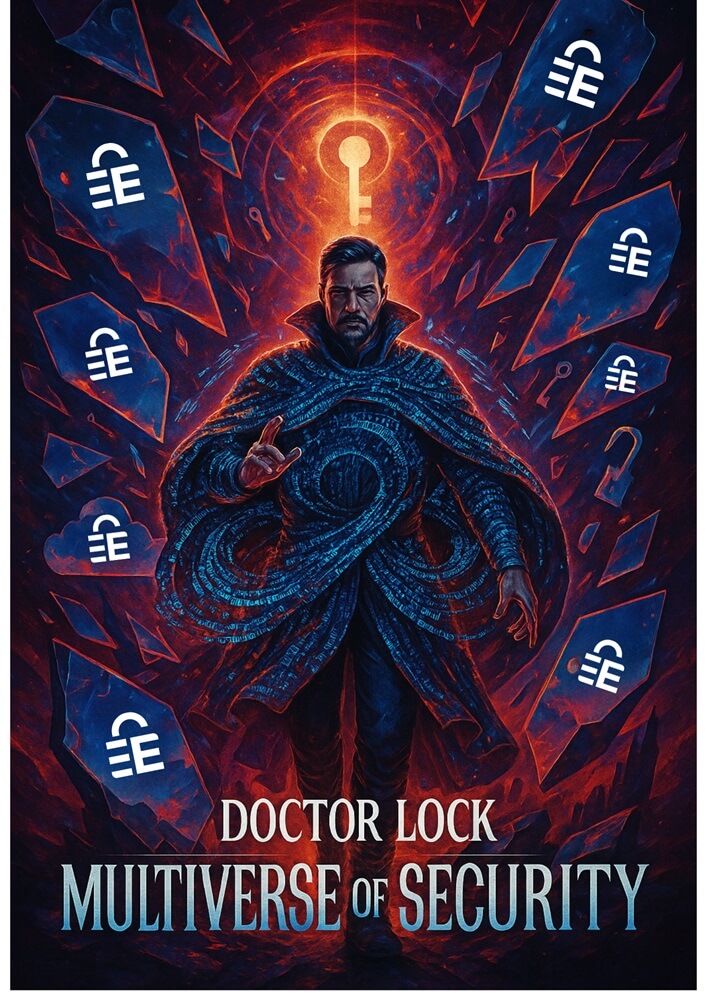
Doctor Lock: Multiverse of Security – where heroes don’t fight with swords, but with data encryption.
And where darkness doesn’t prevail in the end – but eperi sEcure does.
Data-at-Rest, in-Transit & in-Use: Understanding and Applying Encryption Holistically
Data encryption spans three layers: data-at-rest (stored data), data-in-transit (transferred data), and data-in-use (processed data). While traditional technologies focus on storage and transport encryption, eperi® sEcure extends protection to the processing layer – using client-side encryption before the cloud and selective field-level encryption. This ensures full application compatibility without compromising data security.
it-sa: eperi focuses on data sovereignty and quantum hacking resilience
eperi will be presenting its encryption portfolio at it-sa 2025 (Hall 9, Booth 346). In focus: data sovereignty, quantum hacking resilience, and post-quantum cryptography.
Cloud Data Protection in Mexico: Comply with LFPDPPP through Pre-Cloud Encryption

The LFPDPPP requires Mexican companies to effectively protect personal data even when using cloud services. With eperi® sEcure, encryption is applied before data enters the cloud – and the keys remain with the company. This ensures that even with US cloud providers, third-party access is technically excluded, and LFPDPPP compliance can be proven.
Cloud Data Protection in Canada: Ensure Compliance with PIPEDA & Québec Bill 64
Canadian organizations are subject to PIPEDA and Québec Bill 64, which set strict requirements for protecting personal data. Even if data is stored in Canada, the US CLOUD Act allows access when US-based providers are involved. With eperi® sEcure, data is encrypted before entering the cloud and encryption keys remain under the organization’s exclusive control – ensuring third-party access is technically prevented and Canadian privacy laws demonstrably fulfilled.
Free ticket for it-sa 2025 – eperi live at Europe’s largest IT security trade fair, it-sa Expo & Congress
eperi will be exhibiting at it-sa in Nuremberg in 2025—Europe’s leading trade fair for IT security. At the TeleTrusT joint booth (Hall 9, Booth 9-346), eperi will demonstrate how client-side cloud encryption with key sovereignty is implemented. Trade visitors can request free admission codes for the trade fair from eperi.
